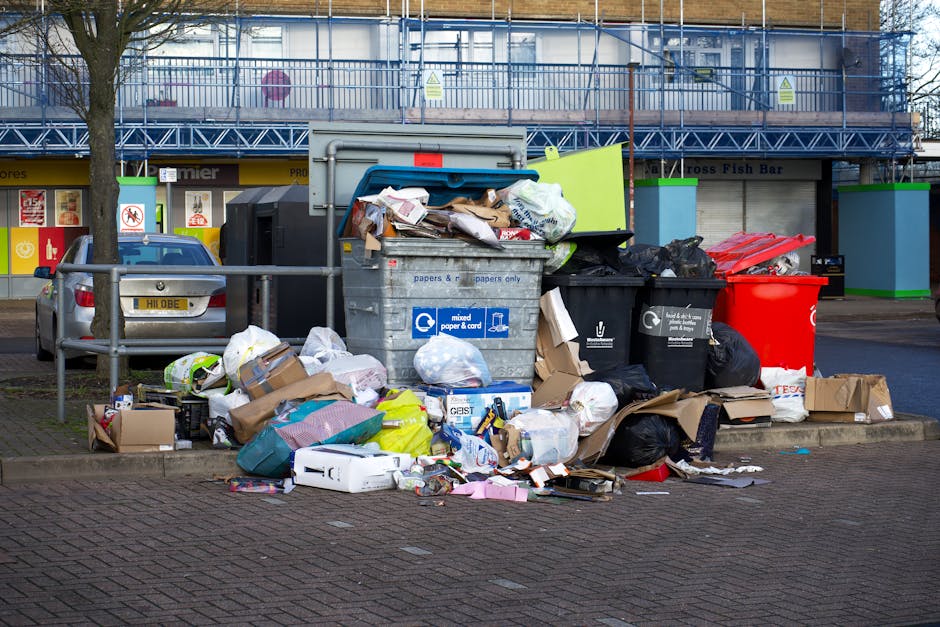
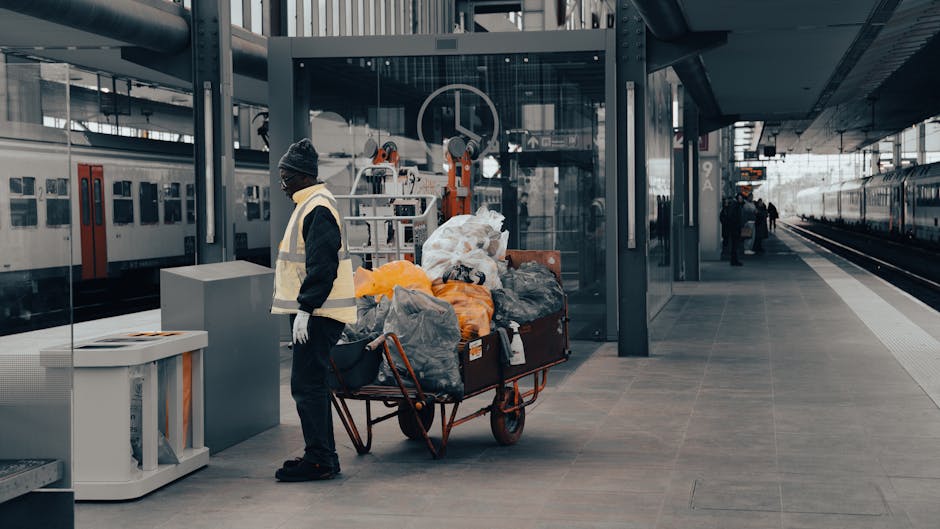
Chislehurst Station area: fast rubbish bag collections
If you live, work, or run a property near Chislehurst Station, you already know the rhythm of the area: commuters in a hurry, narrow time windows, and not much patience for bags piling up by the door. That is exactly why Chislehurst Station area: fast rubbish bag collections matters. When rubbish starts taking over a hallway, bin store, garden path, office corner, or flat entrance, speed is not a luxury. It is the difference between a tidy space and a problem that grows by the day.
This guide explains how fast rubbish bag collections work in the Chislehurst Station area, who they suit, what to expect, and how to avoid the usual headaches. We will also cover practical planning tips, compliance considerations, and the sorts of service options that tend to fit different jobs best. If you are trying to get bags gone quickly without turning the process into a mini-project, you are in the right place.
For people who want a broader clearance service beyond bagged waste, it can also help to look at related options such as waste removal, home clearance, or office clearance. Sometimes the fastest solution is simply the one that matches the job properly from the start.
Table of Contents
- Why Chislehurst Station area: fast rubbish bag collections Matters
- How Chislehurst Station area: fast rubbish bag collections Works
- Key Benefits and Practical Advantages
- Who This Is For and When It Makes Sense
- Step-by-Step Guidance
- Expert Tips for Better Results
- Common Mistakes to Avoid
- Tools, Resources and Recommendations
- Law, Compliance, Standards, or Best Practice
- Options, Methods, or Comparison Table
- Case Study or Real-World Example
- Practical Checklist
- Conclusion
- Frequently Asked Questions
Why Chislehurst Station area: fast rubbish bag collections Matters
Fast rubbish bag collections matter most when the waste is already affecting everyday life. Near a busy station, that impact can be surprisingly quick. One or two bags may not seem like much, but leave them in a porch, shared entrance, or back access for a couple of days and suddenly the place feels cluttered, smells a bit off, and starts attracting attention you do not want.
In practical terms, speed matters because bagged rubbish usually sits at the intersection of convenience and risk. It is easy to generate, easy to ignore, and easy to underestimate. Food packaging, broken household items, old clothes, DIY offcuts, and mixed junk all add up fast. If there is no reliable collection plan, bags can become a blockage rather than a temporary stop-gap. Truth be told, everyone has had that week where the black bags multiply without warning.
Local properties around Chislehurst Station often have their own awkwardness too: limited parking, shared access, upper-floor flats, narrow driveways, and neighbours who will absolutely notice if waste is left out for too long. A quick, organised collection helps keep things discreet and manageable.
There is also a simple wellbeing angle. A clear space is easier to clean, safer to move through, and less mentally draining. That last part gets overlooked. You see the bags, you think about the bags, and somehow the bags start owning the room. Not ideal.
How Chislehurst Station area: fast rubbish bag collections Works
Fast rubbish bag collections are usually straightforward, but they work best when both sides know what is being collected and how accessible it is. In most cases, the process starts with a quick enquiry, a rough description of the waste, and an idea of how many bags need removing. Photos can help a lot, especially if the bags are mixed with bulky bits, loose items, or awkward access points.
Once the collection is arranged, the team typically arrives with the right vehicle and loading equipment, checks what is ready to go, and removes the bags in one visit where possible. If the waste is bagged and accessible, it is often much quicker than a full clearance job because there is less sorting on site. That said, if the bags contain a lot of mixed materials, the collector may need to separate items for proper disposal and recycling.
The real secret is preparation. A good collection is usually not fast by accident. It is fast because the waste is placed where it can be safely lifted, the route to the vehicle is clear, and there are no surprises hiding under the top bag. That is where a little planning saves a lot of faff.
If the job is part of a wider property clear-out, related services can be worth considering. For example, flat clearance may suit compact homes or rented spaces, while house clearance is often more suitable when the volume goes beyond bagged waste. If the rubbish is coming from a worksite, builders waste clearance can be the better fit.
What usually happens on the day
- You confirm what needs removing and roughly how much there is.
- The collection is booked for a suitable time window.
- The waste is made accessible, usually bagged and grouped neatly.
- The team loads the bags and checks for any special disposal needs.
- The waste is taken away for sorting, recycling, and disposal through the appropriate route.
Simple on paper. Slightly less simple if the bags are scattered across three floors and someone has parked in front of the only loading point. That is just life in London, isn't it?
Key Benefits and Practical Advantages
The biggest benefit is obvious: you get rid of rubbish quickly. But there is more to it than that. A well-run bag collection service can improve safety, restore usable space, and stop a small mess from turning into an ongoing nuisance.
- Speed: ideal when you need rubbish cleared before guests arrive, a tenancy inspection, or the working day starts.
- Less disruption: bagged waste can often be removed with minimal time on site.
- Better presentation: useful for landlords, tenants, offices, shopfronts, and shared buildings.
- Safer access: reduces trip hazards in corridors, gardens, and entrances.
- Flexible scale: suitable for a few bags or a larger, staged collection.
- More control: you do not have to wait for a council collection slot if the waste needs going sooner.
There is also a practical cost advantage in some cases. If all you need is removal of bagged rubbish, you may not need a bigger clearance service. A focused service can be quicker to arrange and easier to budget for. If you want to compare pricing structure or request an estimate, pricing and quotes is the natural place to start.
Expert summary: The fastest rubbish bag collections are rarely the ones with the most complicated planning. They are the ones where the waste is clearly identified, properly bagged, and ready for straightforward loading. Keep it simple, and the job usually moves fast.
Who This Is For and When It Makes Sense
Fast bag collections suit a surprisingly wide range of people. The obvious group is anyone with too many household bags building up after a clean-up, move, or weekend declutter. But there are several other common scenarios around Chislehurst Station where this service makes a lot of sense.
Typical situations where it helps
- Busy households: when the normal bin routine has been overwhelmed by spring cleaning, redecorating, or a clear-out.
- Flat residents: especially where stair access, shared bins, or limited storage make waste handling awkward.
- Landlords and agents: for quick turnaround between tenancies or after a tenant leaves behind bagged waste.
- Small businesses: where packaging, office waste, or stock-room clutter needs removing promptly.
- Trades and DIY projects: when you have a set of rubble bags, packaging bags, or mixed waste that should not sit around.
It also works well when time matters more than volume. Maybe you only have ten bags, but they are in the wrong place and the deadline is tomorrow morning. That is enough. Sometimes the job is not big; it is simply urgent. And urgent tends to win.
For broader domestic situations, a loft clearance, garage clearance, or furniture disposal service might be more suitable if the bags are only one part of the problem. Likewise, if the waste comes from the office rather than the home, business waste removal can be a better match.
Step-by-Step Guidance
If you want the collection to run smoothly, the process is mostly about being prepared in the right way. Here is a sensible sequence that works well in practice.
- Sort the rubbish into what really needs removing. Bagged waste is best when the contents are known. Separate anything reusable, hazardous, or valuable before collection day.
- Count the bags and note the size. A rough tally helps the collection team plan the right vehicle and time.
- Check access. Can the vehicle park nearby? Is there a lift? Are there stairs, a gate code, or a narrow corridor to think about?
- Take a few photos. Two or three clear images can save a lot of back-and-forth.
- Ask what happens with mixed waste. If some bags contain different materials, ask how they should be presented.
- Choose a realistic time window. If the area is busy, a more flexible slot can make the collection smoother.
- Make the route clear. Move bikes, plant pots, loose boxes, or anything else that will slow the load-out.
- Confirm the final details. A last check on the morning of collection avoids the classic "I thought the bags were by the front gate" moment.
If the collection includes items beyond standard bags, or you suspect there is a larger room-by-room job in disguise, it may be worth looking at furniture clearance or even home clearance. The right choice keeps the job simpler, not more complicated.
Expert Tips for Better Results
A few small habits make a noticeable difference. The first is to bag waste sensibly. Overfilled bags split, and split bags are where speed goes to die. Use a size you can move safely. If you have to wrestle with it, it is probably too heavy.
Second, group bags by type if you can. General household rubbish, light packaging, garden waste, and building offcuts are easier to handle when they are not all mixed into one chaotic pile. It does not need to be perfect, just orderly enough to work with.
Third, keep the access route as boring as possible. That sounds odd, but boring is good here. Straight path. Clear floor. No loose nails, broken glass, or wet cardboard that turns to mush underfoot. The smoother the route, the faster the collection.
Fourth, be realistic about what counts as a "bag" job. If there are mattresses, wardrobes, damp plasterboard, or broken appliances lurking among the sacks, say so early. It is better to be accurate than to be surprised on arrival. Nobody enjoys that surprise. Nobody.
Finally, think a little about disposal outcomes. Responsible waste handling matters, and a service that sorts recyclable material where possible is usually the better long-term choice. If sustainability is important to you, have a look at recycling and sustainability for a sense of the broader approach.
Common Mistakes to Avoid
Fast rubbish bag collections are easy to get wrong in small ways. Not dramatic, just annoying. Here are the usual culprits.
- Leaving bags loose and scattered: it slows loading and increases the risk of damage.
- Mixing dangerous items without warning: sharp objects, paint, chemicals, and batteries need special handling.
- Underestimating quantity: "just a few bags" can mean very different things to different people.
- Poor access planning: a blocked driveway or locked gate can waste time and increase stress.
- Assuming everything can go together: some materials should be separated or treated differently.
- Booking too late: if you need the waste gone before an inspection or move-out, leave enough time for the collection window.
One subtle mistake is treating bag collections as "too small to matter." In reality, small jobs can be the ones that cause the most friction if they are left sitting around. A couple of bags by the front door at 7 a.m. can feel like an irritation all day. It's a small thing, but it lands.
Tools, Resources and Recommendations
You do not need much equipment to prepare well, but a few simple tools help. A permanent marker for labelling, sturdy gloves for sorting, and a basic trolley or sack truck can make the job easier. If the collection is from a top floor flat or a back garden, a trolley is often worth its weight in gold.
Here are a few practical recommendations that tend to save time:
- Strong refuse sacks: use sacks that are less likely to split on the way out.
- Labelled piles: if you have mixed waste, mark what is for collection and what is staying.
- Photo notes: one image of access, one image of the waste, one image of any awkward item.
- Clear payment details: if the job is time-sensitive, sorting the admin early can help. See payment and security for a useful overview of how a professional service may handle this.
- Contact details ready: a simple call or message can solve a lot quickly, especially if access changes at the last minute.
If you are starting from a wider property clean-up rather than just bagged waste, house clearance and office clearance are good comparison points because they show how a more complete service may be structured. That can help you decide whether the job is really a bag collection or something bigger in disguise.
Law, Compliance, Standards, or Best Practice
Waste collection in the UK needs to be handled responsibly. You do not need to become a legal expert to book a collection, but it helps to know the basics. In practice, that means using a provider that deals with waste properly, avoids fly-tipping, and sends material to appropriate disposal or recycling routes where possible.
For householders, the main concern is making sure rubbish is not left where it creates a nuisance or blockage. For businesses, expectations are tighter because commercial waste must be managed with care and supporting records may be needed. If you are a shop, office, landlord, or tradesperson near Chislehurst Station, it is sensible to ask how the waste will be handled and whether the service can provide the right documentation for your needs.
Safety matters too. Bags can contain hidden hazards: broken glass, tins with sharp edges, dirty materials, or unexpectedly heavy contents. A reputable team should work carefully, lift safely, and have clear health and safety practices in place. If that is important to you, it is worth reviewing health and safety policy and insurance and safety information before booking.
Also, if there is any concern about unusual waste, electrical items, or items that might need special handling, say so early. Better to ask a slightly awkward question than to create a disposal problem later. The best providers are usually happy to clarify.
Options, Methods, or Comparison Table
Different waste situations call for different approaches. A fast rubbish bag collection is not always the only answer, but it is often the most efficient one when the waste is already bagged and ready.
| Option | Best for | Speed | Typical effort from you |
|---|---|---|---|
| Fast rubbish bag collection | Bagged waste, quick tidy-ups, urgent removal | Very fast | Low to moderate |
| Waste removal | Mixed waste, multiple item types, flexible jobs | Fast to moderate | Moderate |
| Home or house clearance | Whole-property or room-by-room clear-outs | Moderate | Moderate to high |
| Furniture clearance/disposal | Bulky items such as sofas, tables, wardrobes | Fast | Low to moderate |
| Builders waste clearance | DIY and renovation waste, rubble, packaging, offcuts | Fast | Moderate |
The table is simple, but that is the point. If your waste is mostly bagged, a bag collection keeps things lean. If you are staring at a mix of bags, broken furniture, and a pile of cardboard that has developed its own postcode, a more complete service will probably save time overall.
Case Study or Real-World Example
Picture a small flat not far from Chislehurst Station. Not a disaster zone, just one of those places where life has got busy. A couple of weeks of reorganising, some old packaging, a wardrobe clean-out, a few bags from the kitchen cupboard purge, and a bit of garden clutter from the balcony. Nothing dramatic. But it adds up.
The resident needs the space cleared before a weekend visitor arrives, and the building has awkward shared access. The key to a smooth result was not magic. It was ordinary, sensible preparation: the bags were grouped near the exit, any loose sharp bits were wrapped, and the route to the door was cleared before the team arrived. The collection itself was quick because the waste was ready for it.
What made the difference? Two things. First, clear communication about the quantity and access. Second, matching the service to the actual job instead of trying to force a bigger service than necessary. The resident did not need a full house clearance. They needed fast removal of bagged waste. Simple as that.
That is a useful reminder. The right solution is often the one that fits the shape of the mess, not the one with the biggest name.
Practical Checklist
Use this checklist before booking your collection. It saves time, and it saves back-and-forth.
- Count how many bags need removing.
- Check whether the bags are standard household waste, garden waste, mixed waste, or something else.
- Make sure no hazardous items are hidden inside.
- Clear the route from the waste to the vehicle access point.
- Confirm parking or loading access near the property.
- Take quick photos if the job is urgent or access is tricky.
- Ask whether any items need separate handling.
- Check if you need a receipt, invoice, or business documentation.
- Review pricing details before the collection day.
- Choose a time window that gives a small buffer, just in case.
Quick takeaway: the more "ready to load" your rubbish is, the faster the collection will be. No drama, no guesswork.
Conclusion
In and around Chislehurst Station, fast rubbish bag collections are about more than getting rid of waste. They are about keeping pace with a busy local routine, reducing stress, and making sure a small pile of rubbish does not become a bigger nuisance. When the bags are sorted, the access is clear, and the service fits the job, the whole process can be refreshingly straightforward.
If you are deciding between a simple bag pickup and a wider clearance, start with the waste you actually have in front of you. That honest first step usually leads to the best result. And if you need a more complete service, there are sensible options to explore across the wider property and waste-removal range.
Get a free quote today and see how much you can save.
When the rubbish is gone, the room feels lighter. Oddly enough, so do you.
Frequently Asked Questions
What counts as fast rubbish bag collections in the Chislehurst Station area?
It usually means a quick pickup service for already-bagged waste, often booked when you need rubbish removed urgently or with minimal disruption. The key is that the waste is ready to load, which keeps the process moving.
How quickly can rubbish bags usually be collected?
That depends on availability, access, and the amount of waste, but bag collections are generally one of the quickest forms of removal because they are straightforward to load. If time is tight, give as much notice and detail as you can.
Do I need to sort the bags before collection?
A basic sort is very helpful. Keep hazardous items separate, and if you can, group similar waste together. It makes loading easier and can support better recycling outcomes too.
Can you collect mixed household waste in bags?
Yes, in many cases mixed household rubbish can be collected, but it is still sensible to mention what is inside. A few mixed bags are normal; hidden sharp, heavy, or specialist items should be disclosed.
Is this better than putting the bags out for council collection?
It depends on urgency and volume. If you can wait for a scheduled collection, council services may suit. If you need the waste gone quickly or you have more than your standard bin capacity, a private bag collection can be more practical.
What if I live in a flat near the station with awkward access?
That is common, and it is usually manageable if you explain the access details early. Stairs, lifts, shared entrances, and parking restrictions are all worth mentioning before the visit.
Can bag collections include garden or DIY waste?
Yes, often they can, provided the waste is suitable for the service and clearly described. Garden waste and small DIY bagged waste are common examples, though heavier builders' material may need a more specific clearance option.
How do I know whether I need waste removal or a fuller clearance service?
If the waste is mostly bags, a bag collection is probably enough. If you also have furniture, appliances, loft contents, or room-by-room clutter, a wider service such as waste removal, home clearance, or furniture clearance may be a better fit.
Will I get documentation for the collection?
For business users especially, documentation can matter. It is reasonable to ask what paperwork or confirmation is available before booking, and to make sure payment and service details are clear in advance.
What should I avoid putting in the bags?
Do not hide hazardous materials, loose chemicals, batteries, or sharp items without warning. If something feels questionable, mention it early. That is the safest route for everyone involved.
How can I keep the collection as cheap and efficient as possible?
Be accurate about the volume, keep access clear, and prepare the bags neatly. The less time spent sorting surprises on site, the smoother the job tends to be.
Do I need to be at home during the collection?
Often yes, especially if access needs to be granted or if there are specific instructions. In some situations, arrangements can be made in advance, but clear communication is essential.
What if my bags are too heavy to move safely?
Do not force them. Split heavy bags into smaller loads if you can, or tell the collection team in advance. Safe lifting matters more than saving a few seconds.
Where can I ask about the company, policies, or next steps?
You can learn more through the main site pages such as about us and contact us, or review practical details like terms and conditions and privacy policy if you want the fuller picture first.